Razors · Strops · Brushes · Soap
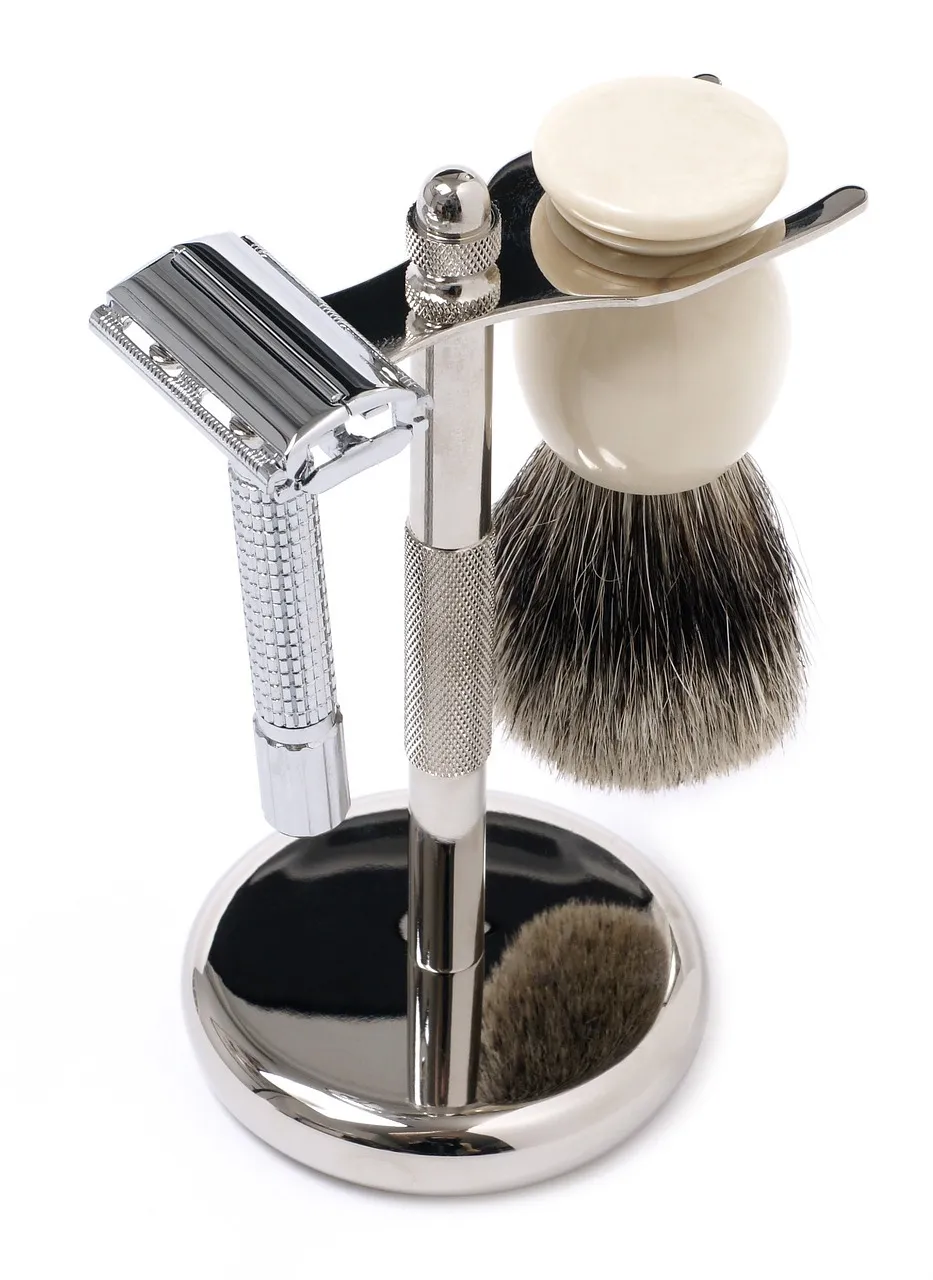
If you are fed up with the price of cartridge refills, or you just fancy a better shave, putting together a wet shaving kit for beginners is less complicated than the number of products out there suggests. You need five things, and you can choose between three kinds of razor depending on how much you want to learn and how much you want to spend at the start. This guide goes through the pieces, what to spend on each, and what each route costs over a year, worked out from our own prices.
What goes in a wet shaving kit for beginners
Every traditional wet shave uses the same five pieces, whichever razor you pick.
1. A razor
This is the big decision, and there are three sensible starting points, a safety razor, a shavette or a cut-throat. Each is covered in its own section further down.
2. A strop or blades
A cut-throat has a permanent edge that needs a leather strop before every shave to keep it aligned. A safety razor or shavette uses disposable blades instead, so you need a box of those and no strop.
3. A brush
A brush turns soap and water into a proper lather and lifts the stubble so the blade cuts cleanly. Boar is firm and inexpensive, badger is soft and holds a lot of water, and synthetic dries quickly and needs no breaking in. Our guide on how to choose a shaving brush compares them.
4. Soap or cream
A hard soap lasts a long time and travels well, while a cream lathers more easily. Either is fine for a beginner. Our guide on how to build a lather shows you how to get it right with both.
5. A bowl or a stand
A lathering bowl makes it easier to see when your lather is ready, and a stand keeps the brush hanging knot-down so it dries properly between shaves. Neither is essential on day one, but most men end up wanting at least one of them.
What to spend
You do not need to spend a lot to get a good shave. The razor is where the money matters most, because a well-made razor lasts for years. A brush and soap can be inexpensive and still work very well. If your budget is tight, put it into the razor and pick a boar brush, which costs little and makes good lather from a hard soap.
Three starter routes
The safety razor route
A safety razor takes a standard double edge blade and has a guard that controls the angle for you, so it is the quickest to learn and the most like what you are used to. The Dial is a butterfly razor that opens with a twist of the handle, which makes changing blades very easy. A box of 100 double edge blades comes to 14p a blade. If you change the blade once a week, that box lasts nearly two years. Our guide on how to use a safety razor covers the technique.
The shavette route
A shavette looks and handles like a straight razor, but takes a fresh half blade instead of needing honing and stropping. It is a good way to learn straight razor technique cheaply, and it is very handy for lining up a beard. The Bolt shavette is all steel, and a box of 100 half blades works out at 10p a blade. Shavette blades are best changed every shave or two, so they get through blades faster than a safety razor. Our shavette vs straight razor guide explains how the two compare.
The cut-throat route
A cut-throat is the traditional straight razor with a fixed blade. There is a bit more to learn, as you need to hold the angle yourself and strop before every shave, but you never need to buy blades. The Keeper is a 5/8 stainless razor with a round point, which is the easiest kind to learn on, and it needs a strop such as our hanging strop. Every cut-throat we sell is honed and stropped in the UK before it is posted, so it is ready to shave when it arrives. If you are weighing this up against a safety razor, our straight razor vs safety razor guide goes through it.
Cut-throat razors and loose blades are sold to over-18s only, with an ID check on delivery in the UK, as explained on our delivery page.
What each route costs
The figures below use our current prices. For each route we have picked a sensible starting set, and for the running costs we have assumed you shave every day and get through three 100g soaps a year, which errs on the generous side.
| Safety razor | Shavette | Cut-throat | |
|---|---|---|---|
| Starting set | The Dial, 100 DE blades, synthetic brush, unscented soap, stand | Bolt shavette, 100 half blades, boar brush, sandalwood soap, steel bowl | The Keeper, hanging strop, boar brush, sandalwood soap |
| Bought separately | £97 | £74 | £114 |
| As a kit | £87 (safety razor starter kit) | 10% off in the kit builder | £103 (beginner's cut-throat kit) |
| Blades per year | About £7 (52 blades) | About £18 to £36 (one blade every one or two days) | None |
| Soap per year | About £45 | About £48 | About £48 |
| Running cost per year after the first | About £52 | About £66 to £84 | About £48, plus honing now and then |
The cut-throat has no blade costs at all. The one extra is honing, which a razor needs every several months to a year with good stropping. You can send it to a honing service or learn to do it yourself, and our guide on how to look after a straight razor explains both.
Compared with cartridges
Cartridge prices vary a lot between brands and shops, so the fairest thing is to check your own. Take the price of a refill pack, divide it by the number of cartridges in it, and multiply by the number you use in a year. As a worked example, if each cartridge costs you £2.50 and you change it once a week, that comes to £130 a year before you buy any shaving foam. On the same basis, a safety razor costs about £52 a year to run once you own it, including soap. The razor, brush and stand last for years, so after the first year the saving carries on.
Which route to pick
If you want a close shave with the least to learn, go for a safety razor. If you are curious about straight razors but not ready to commit, a shavette is the inexpensive way in. If you want the full traditional shave and like the idea of never buying blades again, a cut-throat is worth the extra few weeks of practice. Whichever you choose, our guide on how to shave with a straight razor or how to use a safety razor will take you through your first shave.
Your next step
The simplest way to start is with a ready-made set. The safety razor starter kit has everything in the first column of the table above, and the beginner's cut-throat kit covers the third. If you would rather mix and match, or you want the shavette route, you can build your own kit and the builder takes 10% off when you buy the pieces together.
The Vault letter
10% off your first order
Join the list for your code and new guides as they go up.
10% off your first order. One letter a week at most. Unsubscribe any time.
 Using a safety razor properly
 Razor care
 Shavette or straight razor?