Razors · Strops · Brushes · Soap

The straight razor vs safety razor question comes up for nearly everyone who moves away from cartridges. Both give a close, comfortable shave once you have the hang of them, and both cost far less to run than a cartridge razor. The real differences are in how long they take to learn, how much looking after they need and how well they fit into a busy morning. This guide goes through each of those honestly, so you can decide which suits you, or whether you want both.
Straight razor vs safety razor at a glance
| Straight razor | Safety razor | |
|---|---|---|
| Learning curve | Steep. Expect a few weeks of slow, careful shaves | Gentle. Most cartridge users settle in within a handful of shaves |
| Upfront cost | £44 for The Keeper plus £38 for a hanging strop | £28 for The Dial plus £14 for 100 blades |
| Cost over 5 years, shaving daily | About £82, plus honing every few months | About £84 to £126, mostly blades |
| Upkeep | Strop before every shave, dry carefully, hone now and then | Rinse after use, change the blade every 3 to 5 shaves |
| Closeness | Very close, with full control over the angle | Very close, and easier to repeat day after day |
| Travel | Hold luggage only | Razor without a blade in hand luggage, blades in the hold |
| Best suited to | Men who enjoy the skill and have time to learn | Anyone who wants an easy, quick daily shave |
Soap, brush and bowl cost the same whichever razor you choose, so they are left out of the sums.
Learning curve
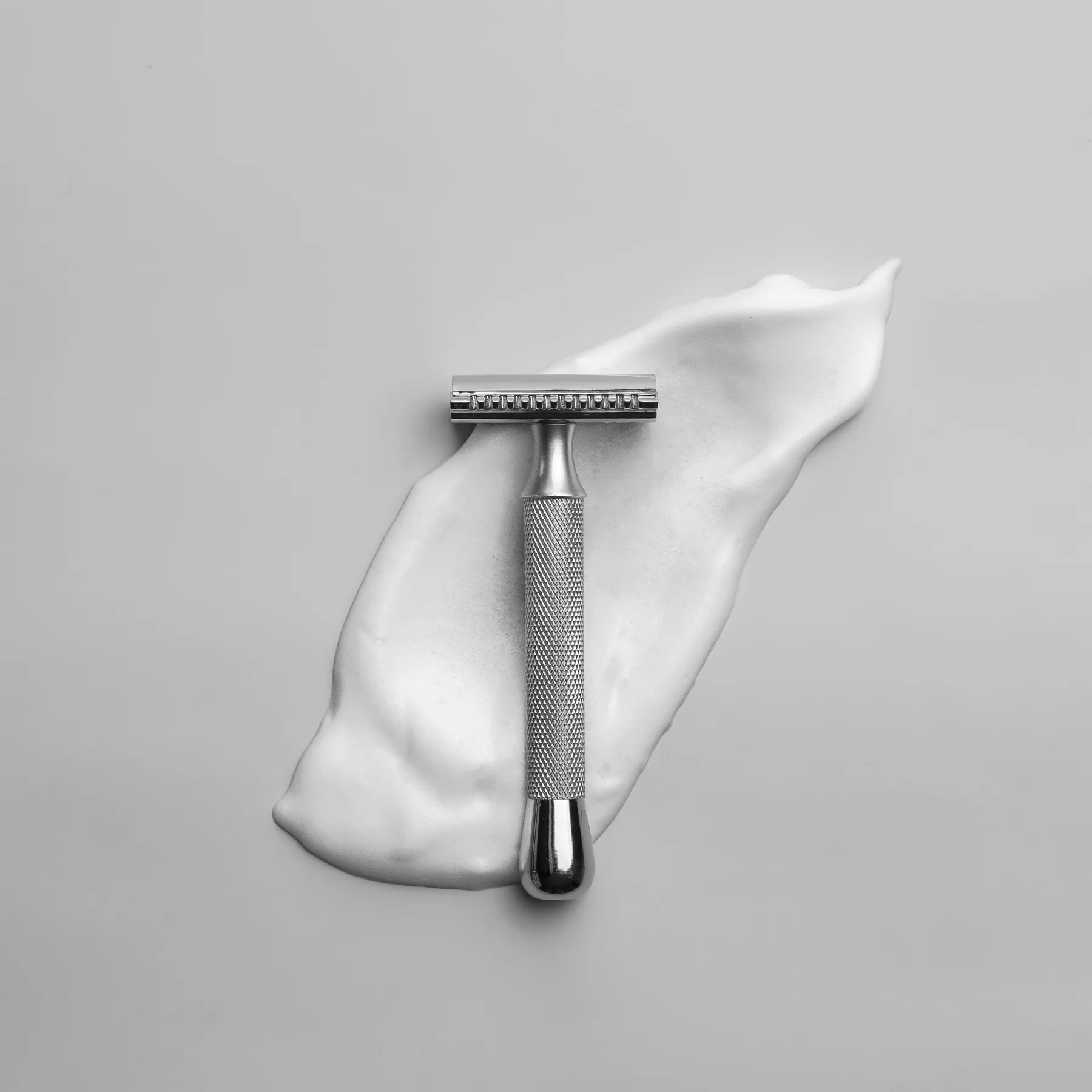
A safety razor is the gentler step from a cartridge. The guard holds the blade at a safe distance from the skin, so the main things to learn are to stop pressing and to hold the handle at the right angle. Most people have it worked out within a week or two.
A straight razor asks more of you. You set the angle yourself on every stroke, you stretch the skin with your other hand, and you will probably switch hands for one side of your face. Most beginners shave only their cheeks with it for the first couple of weeks and finish with something else. It is very learnable, but it does take patience, and your first few shaves will be slow.
Cost over five years
These figures assume you shave every day and use our prices.
For a straight razor, you buy The Keeper at £44 and a hanging strop at £38, which comes to £82. After that the main cost is honing, either on your own stone or through a sharpening service, roughly every few months. A well kept strop will last many years.
For a safety razor, The Dial costs £28. A blade lasts 3 to 5 shaves, so shaving daily for five years you will get through somewhere between 365 and 610 blades. At £14 for a pack of 100 DE blades, that is four to seven packs, or about £56 to £98. The total comes to roughly £84 to £126.
So over five years the two end up fairly close. The straight razor costs a little more at the start and almost nothing after that, apart from honing. The safety razor costs less at the start and a small, steady amount for blades. For most people, either should work out cheaper than buying cartridge refills over the same period.
Upkeep
A safety razor needs very little. Rinse it after each shave, let it dry, change the blade when it starts to pull, and give the head a proper clean every few weeks to clear any soap build-up.
A straight razor needs a few minutes of care each time. You strop it before every shave, dry it carefully afterwards and leave it open to air dry before folding it. Carbon steel blades need a light coat of oil if you live somewhere damp. Every few months the edge will need honing. Our guides on how to strop a straight razor and how to look after a straight razor cover all of it.
Closeness and comfort
Both can give you as close a shave as you will want. With a straight razor you have full control over the angle and can adjust it as the face curves, which is why experienced users often find it the closest of all. With a safety razor the guard does some of that work for you, which makes it easier to get the same good result every day without much thought.
Comfort depends mostly on technique. Pressing too hard with either razor will cause irritation, and so will shaving against the grain before your skin is ready.
Travel
UK airport rules do not allow straight razors or loose razor blades in hand luggage, so a straight razor has to go in the hold. A safety razor head and handle with no blade in it is generally fine in hand luggage, with the blades packed in your hold bag. Rules can differ between airports and countries, so it is worth checking with your airline before you fly.
If you travel a lot with hand luggage only, a safety razor is much easier to live with.
Cut-throat razors and loose blades are sold to over-18s only in the UK, with an ID check on delivery (see our delivery page).
Who each one suits
A straight razor suits you if
You enjoy learning a skill and do not mind taking ten or fifteen minutes over a shave. You like the idea of one razor that can last decades, with almost no ongoing cost. It also suits men with beards who mainly shave their cheeks and neck, because those are the easiest areas to learn on. Our guide on how to shave with a straight razor is the place to start.
A safety razor suits you if
You want a close shave without a long learning period, you shave in a hurry on weekday mornings, or you travel often. It is also the easier choice if you are coming straight from cartridges and want to try wet shaving before spending more. See how to use a safety razor for the basics.
Can you use both?
Plenty of people do. A common approach is to shave with a safety razor during the week and use a straight razor at the weekend when there is more time. Another is to learn the straight razor on your cheeks and finish the chin and upper lip with a safety razor until you are confident.
There is also a middle option. A shavette handles like a straight razor but uses a replaceable blade, so there is no stropping or honing. The shavette vs straight razor guide explains how it compares.
Your next step
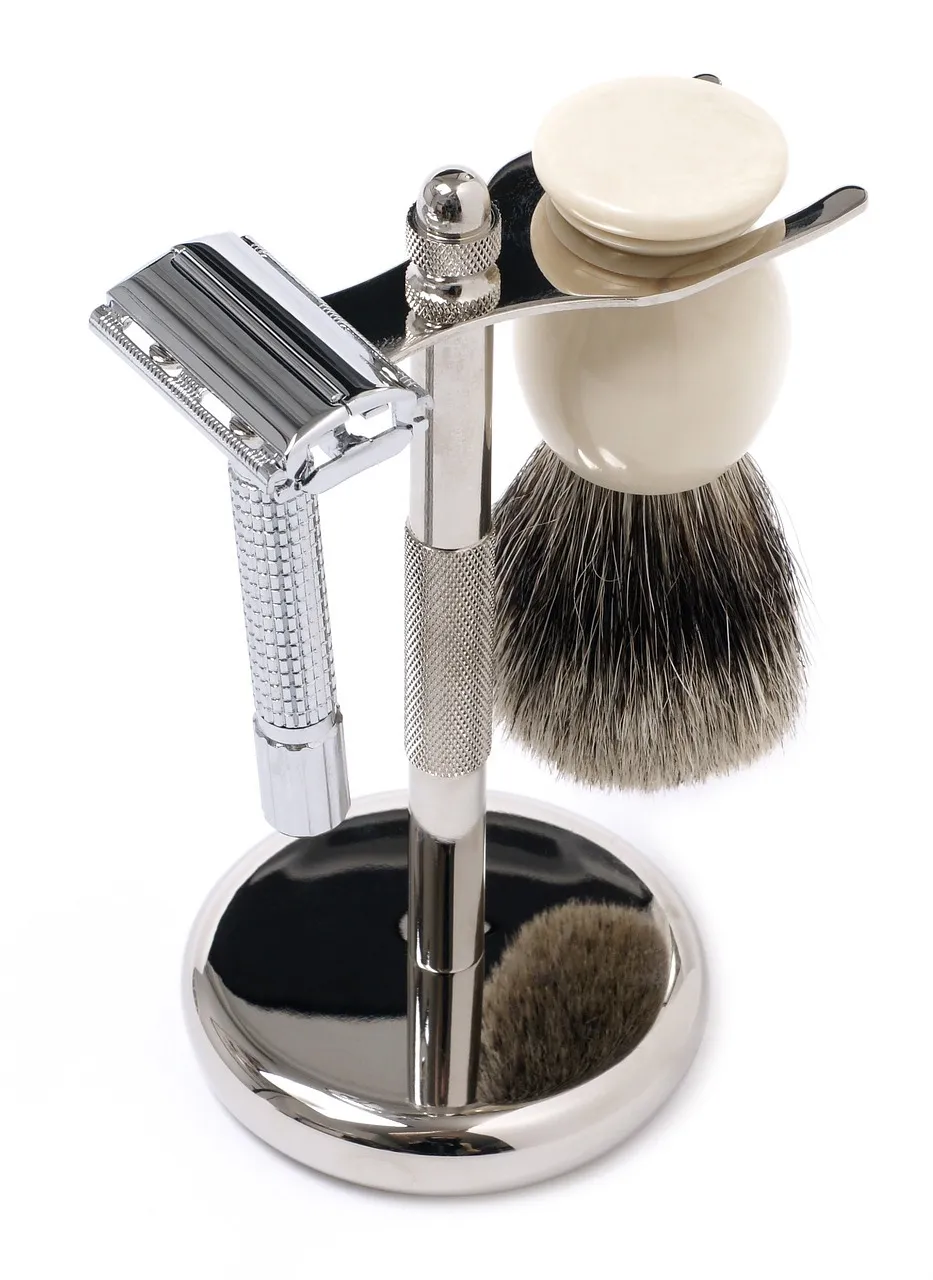
If you are leaning towards a safety razor, The Dial with a pack of 100 DE blades is an easy place to begin. If the straight razor appeals, start with The Keeper and a strop. Either way, you can build your own kit with a brush and soap, or read our guide to a wet shaving kit for beginners first.
The Vault letter
10% off your first order
Join the list for your code and new guides as they go up.
10% off your first order. One letter a week at most. Unsubscribe any time.
 Beginner's kit
 Using a safety razor properly
 Razor care